

Ordenar per:
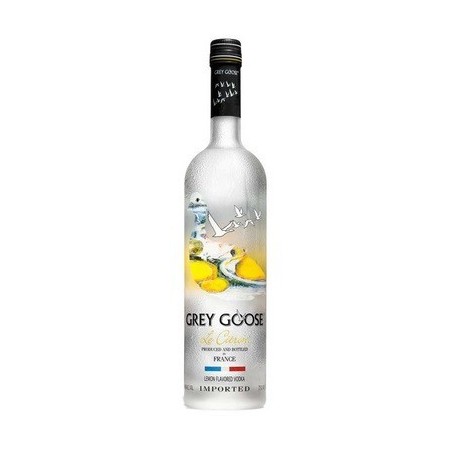
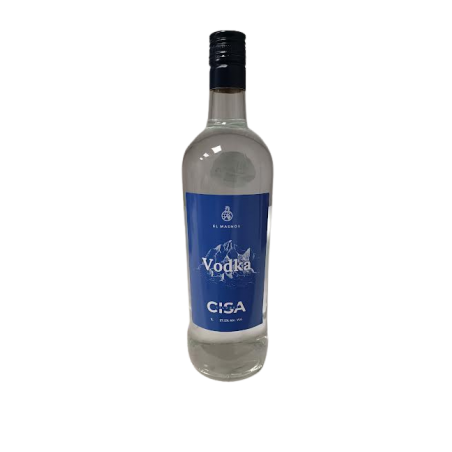
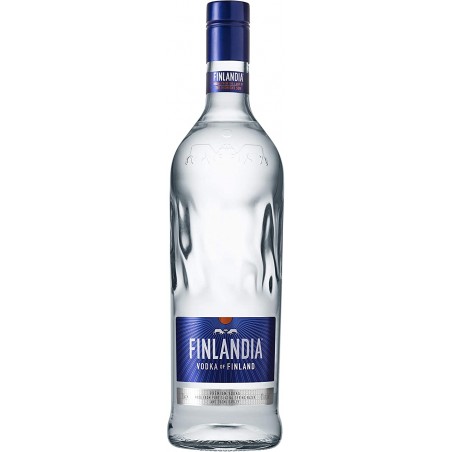
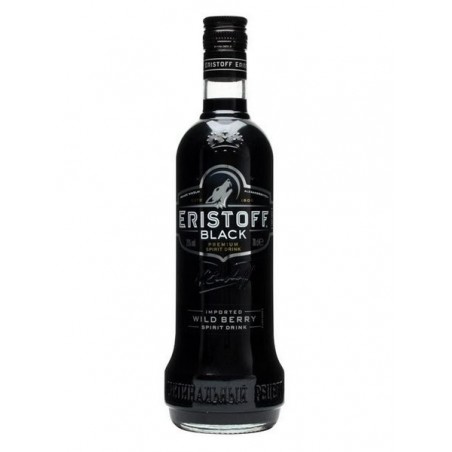
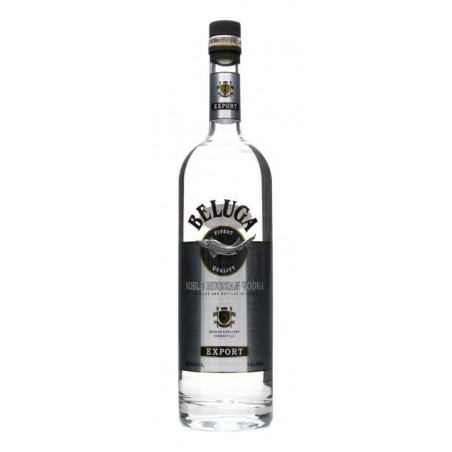
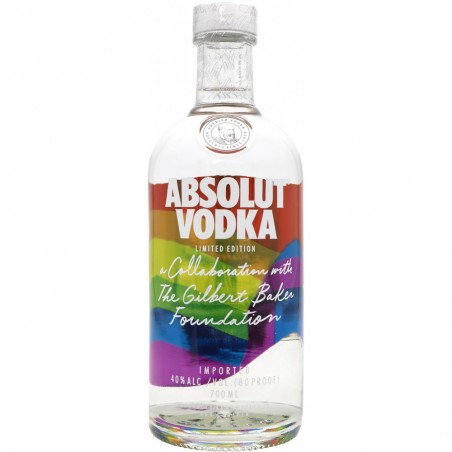
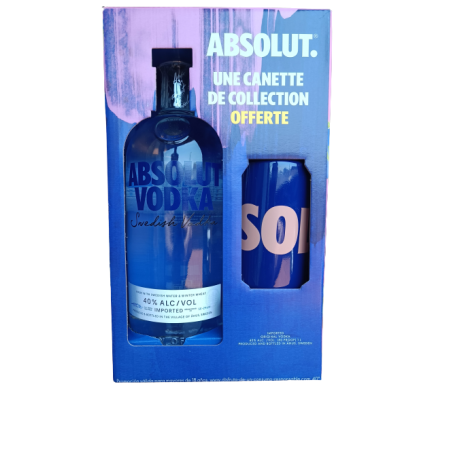
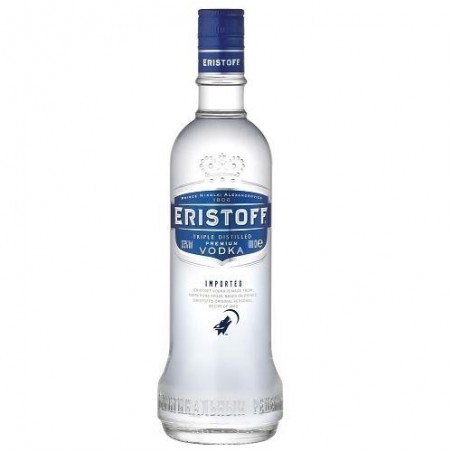
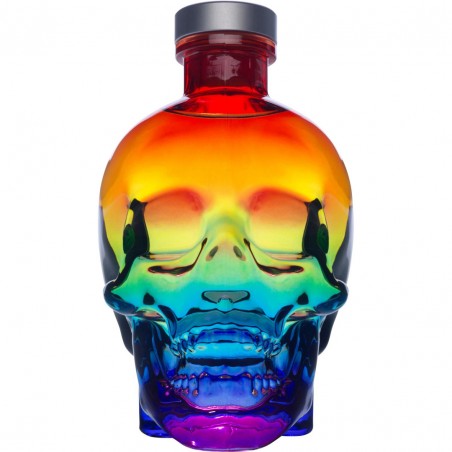
Vodka is one of the most popular spirits in the world and is consumed all over the world, although it is especially popular in Eastern European countries and Russia.
Vodka is made through a distillation and filtration process. First, an alcoholic base is selected, generally obtained from the fermentation of grains such as wheat, rye, or barley, although sugar beets or potatoes can also be used. This alcoholic base undergoes multiple distillations to eliminate impurities and obtain a pure alcohol.
Once the pure alcohol is obtained, it is diluted with water to reach the desired alcohol content level. The quality of the water used is crucial, as it influences the final flavor and smoothness of the vodka. Some brands use spring water or purified water to ensure purity.
After dilution, the vodka undergoes a filtration process. Traditionally, activated carbon was used to remove any remaining impurities and improve the clarity of the liquid. However, more advanced filtration methods are currently used, such as filtration through membranes or the use of specific materials to further refine the product.
Once the filtration process is complete, the vodka is bottled, and a small amount of sugar can be added to soften its taste. Some brands also add other ingredients, such as fruits or herbs, to make flavored varieties of vodka.
In short, vodka is made by distilling an alcoholic base, followed by dilution with water and filtering to obtain a clear, pure liquid. Its production process has been perfected over the years, seeking to achieve the characteristic quality and smoothness of this popular alcoholic beverage.
Vodka itself does not have a distinctive flavor, as it is characterized by being a neutral distillate with no added flavors. Its flavor profile is smooth, clean and without pronounced nuances. Because of this, vodka is considered a versatile spirit that lends itself well to being mixed with other ingredients in cocktails or consumed on its own.
The flavor of vodka can vary slightly depending on the quality of the water used in its dilution, as well as the ingredients used in its alcoholic base. Some brands may have a slight sweet note, while others may have a higher presence of grains or potatoes in their flavor profile. In general, though, vodka is noted for its purity and smoothness, which allows the flavors of the ingredients it's mixed with to come through.
It is important to note that the taste of vodka can be influenced by the production method and the specific brand, so it is advisable to explore different brands and varieties to discover those that best suit personal preferences.
Tasting vodka is an experience that involves the senses of smell and taste. To fully appreciate its qualities, it is important to follow a few simple steps. First, it is recommended to serve the vodka in a clean, good quality glass, preferably in the shape of a tulip, which allows the aromas to be concentrated.
Once served, you can start by looking at the color of the vodka, which is usually colorless and transparent. Then, the glass should be brought close to the nose and take some time to inhale the subtle aromas. Neutral vodka should have a clean aroma, with no overbearing notes, although some flavored vodkas may have fruit, herbal or spice fragrances.
After appreciating the aromas, it is time to taste the vodka. A small sip can be taken, allowing the liquid to cover the entire tongue. At first, you may notice a cool, smooth sensation in your mouth. It is important to pay attention to the texture and mouthfeel, which should be silky and pleasant.
When tasting, one can look for subtle flavor notes, such as sweetness, grain or potato nuances, and possible additional flavors present in flavored vodkas. Neutral vodka is characterized by its purity and smoothness, so the flavors will generally be smooth and balanced.
Finally, you can take another sip and appreciate the finish, which is the aftertaste left in your mouth after swallowing. A good vodka should leave a clean, non-burning sensation, with a subtle warmth in the throat.
Remember that the appreciation of vodka can vary according to personal preferences and the quality of the product. Experimenting with different brands and varieties can help you discover the most enjoyable flavors and characteristics.



 Accessories
 Packs
Packs Sales
Sales




 Italy
Italy